CIDR Overlap Checker
Paste IPv4 or IPv6 networks. Each one is aligned to its prefix, then compared with the others. The result names the pairs that match or nest, and it leaves disjoint networks off that list.
What an overlap is
10.0.0.0/20 runs from 10.0.0.0 through 10.0.15.255. 10.0.8.0/21 sits inside that range, so the /20 contains the /21. 10.1.0.0/24 starts at the next /16 and does not meet either one.
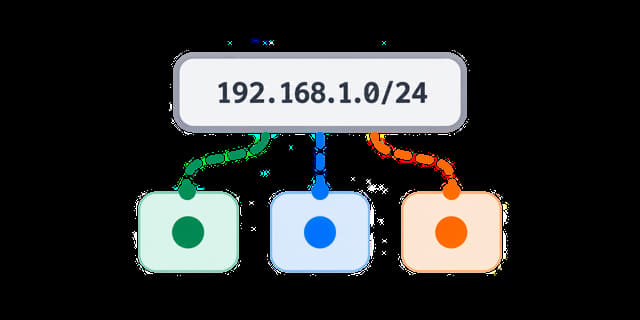
192.168.1.10/24 and 192.168.1.200/24 are not two different networks. Both normalize to 192.168.1.0/24.
10.0.0.0/24 and 10.0.1.0/24 share no address. The first ends at 10.0.0.255 and the second starts at 10.0.1.0. They can sit side by side as two subnets or two routes. A conflict is a shared address: the same block typed twice, or a longer prefix inside a shorter one.
Questions
No. A CIDR block is aligned to its prefix. After that alignment, one block contains the other, both names are the same block, or the ranges do not touch.
Yes. 10.0.0.0/20 contains 10.0.8.0/21. If both are meant to be separate networks, that containment is the conflict.
No. Overlap means at least one address is in both blocks. 10.0.0.255 is in 10.0.0.0/24 and not in 10.0.1.0/24.
Both names are the block 192.168.1.0/24. The host octets are cleared before the comparison, so two hosts in one prefix are reported as the same network.
Sources
Reviewed 8 October 2026. The methodology page records what these labels do not cover.